Animation is a captivating medium that brings stories, characters, and ideas to life through motion. From classic hand-drawn cartoons to cutting-edge 3D films and interactive video games, animation has evolved into a powerful storytelling tool. In this article, we’ll explore what animation is, its different types, the production process, and its impact on entertainment and beyond.
What is Animation?
Animation is the process of creating the illusion of movement by displaying a sequence of static images (frames) in rapid succession. These images can be hand-drawn, digitally created, or even manipulated from real-world objects. The human brain perceives motion when these frames are played back at a certain speed (usually 24 frames per second for film).
Types of Animation
There are several techniques used in animation, each with its own unique style and application:
1. Traditional (2D) Animation
- Created by drawing each frame by hand on paper or digitally.
- Classic examples: Disney’s Snow White, The Lion King (1994).
- Still used in TV shows like The Simpsons and Adventure Time.
2. 3D Animation (Computer-Generated Imagery – CGI)
- Uses digital models and software to create lifelike or stylized movement.
- Dominates modern films like Toy Story, Frozen, and Avatar.
- Also used in video games (Fortnite, The Last of Us).
3. Stop Motion Animation
- Involves photographing physical objects (clay, puppets, or figurines) frame by frame.
- Examples: Wallace & Gromit, Coraline, Kubo and the Two Strings.
4. Motion Graphics
- Focuses on animated text, logos, and graphic elements, often used in advertising and explainer videos.
- Common in commercials, title sequences (Stranger Things intro), and infographics.
5. Rotoscoping
- Animators trace over live-action footage for a realistic yet artistic effect.
- Used in films like A Scanner Darkly and Loving Vincent.
The Animation Production Process
Creating an animated film or series involves several key stages:
- Concept & Storyboarding
- Writers and artists develop the story, characters, and visual style.
- Storyboards (sequential drawings) outline key scenes.
- Design & Previsualization
- Character designers, background artists, and modelers create assets.
- Animatics (rough animated storyboards) help plan timing.
- Animation
- Animators bring characters and objects to life using keyframes and in-betweening (tweening).
- In 3D, rigging (skeletal structures) allows for movement.
- Lighting, Texturing & Rendering
- 3D scenes are lit, textured, and rendered into final images.
- Compositing combines different elements (backgrounds, effects).
- Sound Design & Editing
- Voice acting, sound effects, and music are added.
- Final editing ensures smooth transitions and pacing.
The Impact of Animation
Animation is more than just entertainment—it’s a versatile medium used in:
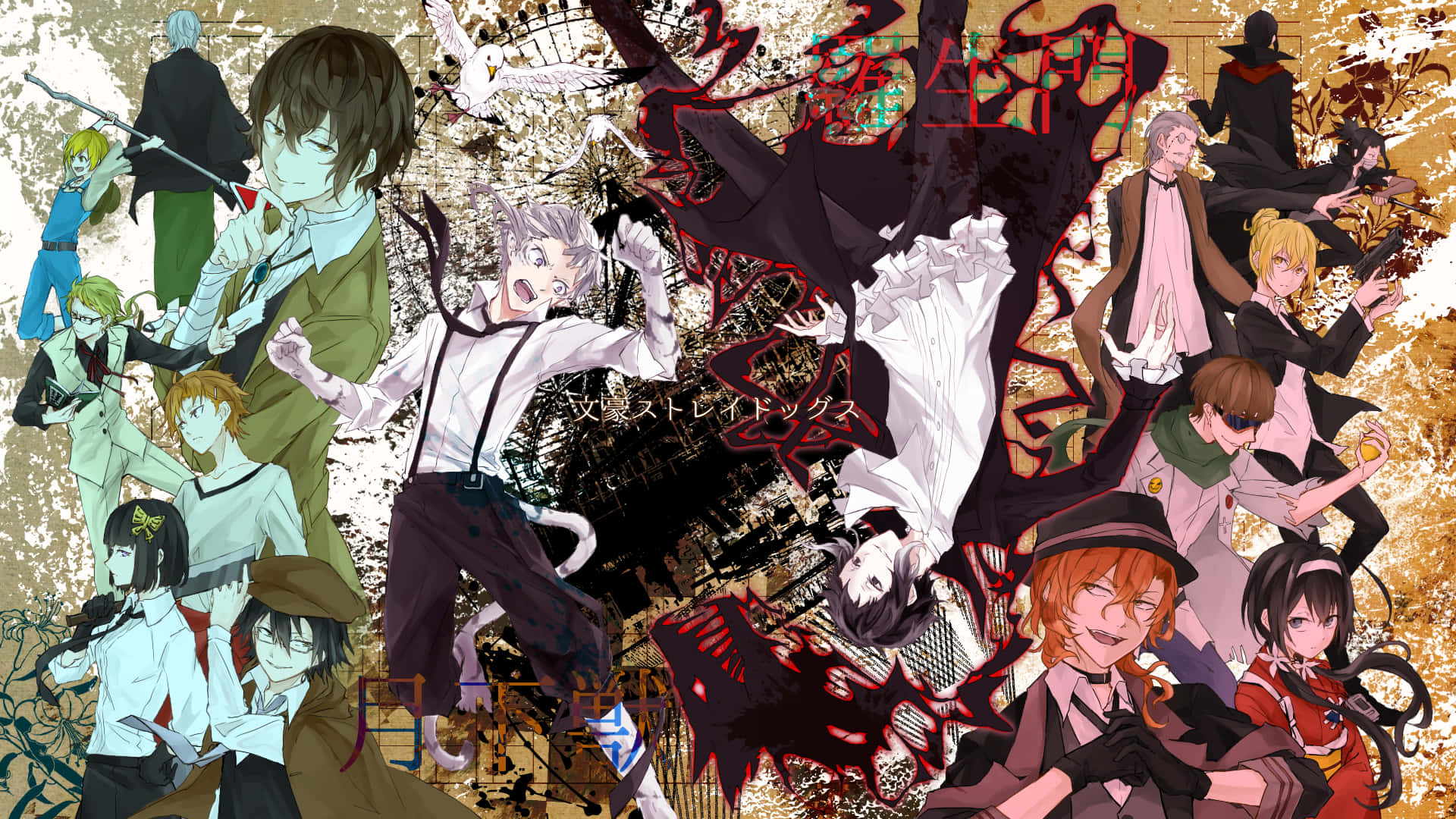
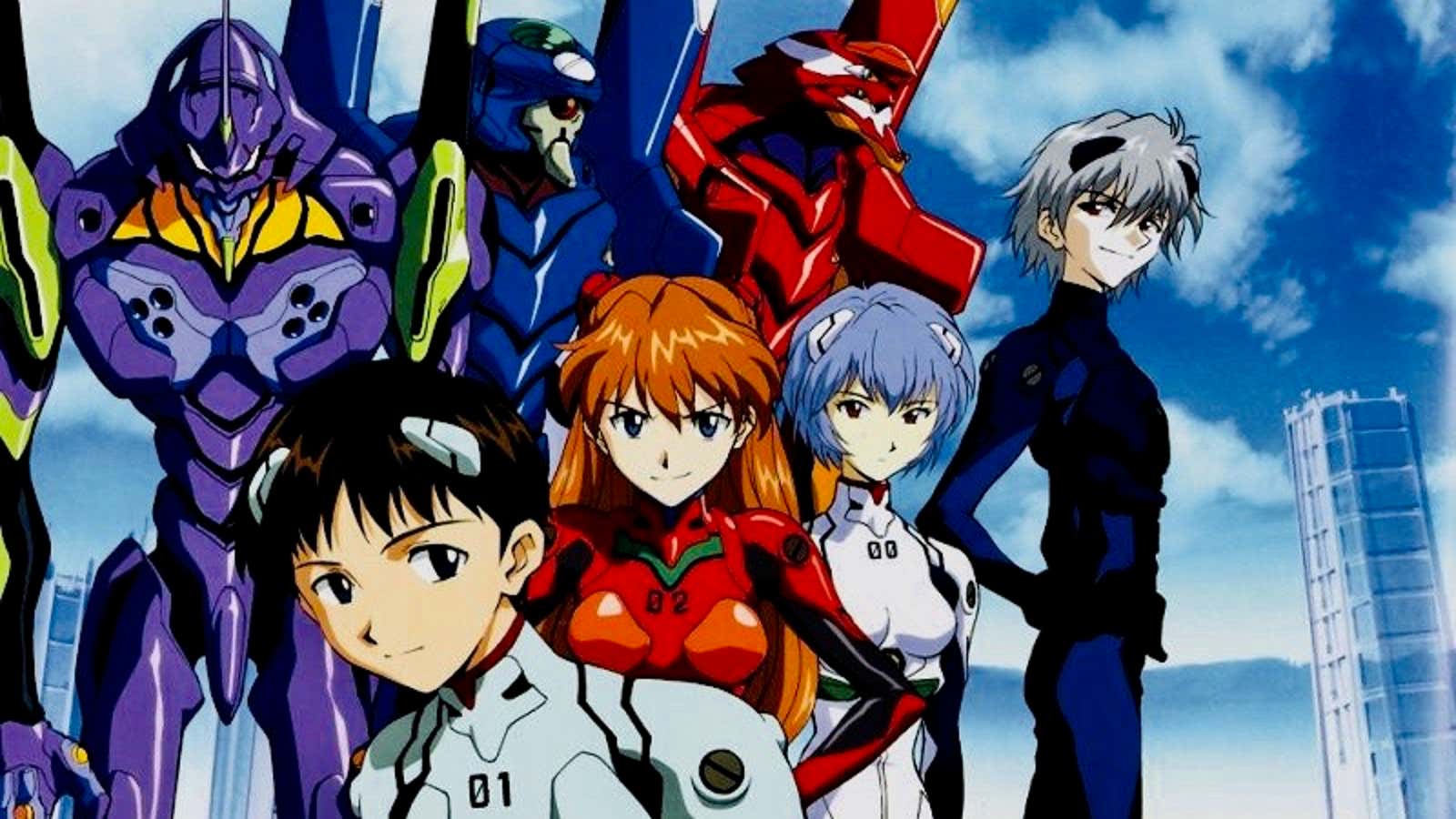
- Films & TV: From Disney/Pixar movies to anime (Spirited Away, Attack on Titan).
- Video Games: Enhances gameplay with immersive worlds (Mario, The Legend of Zelda).
- Advertising & Marketing: Explainer videos and animated commercials grab attention.
- Education: Simplifies complex topics (e.g., medical animations, TED-Ed videos).
- Virtual Reality (VR) & Augmented Reality (AR): Creates interactive experiences.
Conclusion
Animation is a blend of creativity, technology, and storytelling that continues to push boundaries. Whether it’s the nostalgic charm of hand-drawn cartoons or the hyper-realistic visuals of CGI, animation remains a vital part of modern media. As technology advances, we can expect even more innovative ways to experience animated worlds. 🚀🎬